Why We Celebrate the Coming of Jesus
Reversing Eden, Restraining the Watchers, and Bringing the Nations Home
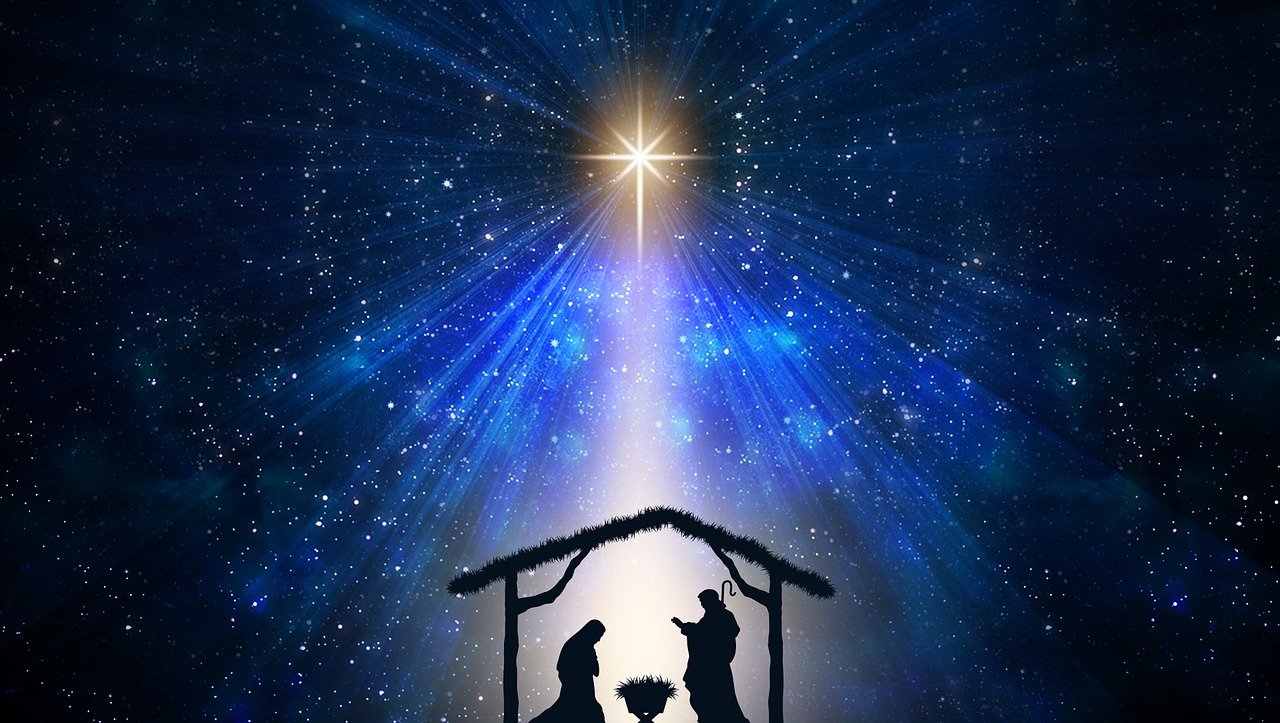 For many Christians, Christmas is familiar, perhaps too familiar. We know the nativity scenes, the shepherds, the manger, the angels’ song. But the deeper, older, Hebraic story beneath Christmas is far more dramatic than most imagine. The birth of Jesus is not merely the arrival of a holy child; it is the invasion of God’s Kingdom into a world fractured by three great rebellions; three cosmic ruptures revealed in the Hebrew Scriptures.
Christmas is heaven’s declaration that the long exile is over, that God Himself has come to undo the consequences of humanity’s rebellion. These rebellions are all documented in Genesis. The first, and most well known, was in Eden, with the Fall of Man (Genesis 3). In Genesis 6, we see the corrupting of humanity by fallen angels (the ‘sons of God’ – named the Watchers in the apocryphal book of 1 Enoch). Then came the disinheritance of the nations following the Tower of Babel (Genesis 11; Deuteronomy 32:8-9).
Christmas is not sentiment, it is cosmic warfare, family restoration, and the return of the rightful King. Let us walk the ancient path and see why Christians should joyfully celebrate the coming of Jesus.
Eden: Jesus Came to Crush the Serpent and Restore Sonship
The first rebellion takes place in Eden. Humanity listens not to God, but to the nachash, the serpent, a divine rebel in God’s council (Genesis 3). The result is catastrophic: exile, death, shame, broken relationship, and the loss of our image-bearing authority. Yet in that moment of judgment, God spoke the first Christmas prophecy:
“The Seed of the Woman will crush the serpent’s head.” (Gen 3:15)
Christmas is heaven’s declaration that the long exile is over, that God Himself has come to undo the consequences of humanity’s rebellion.
From this point forward, the Scriptures anticipate a coming Son of Man who will reverse the curse. Isaiah prophesied: “Unto us a child is born…and the government shall be upon His shoulders.” (Isa 9:6)
In Hebraic thought, sonship means representation. Adam lost sonship through rebellion, but Jesus, the “last Adam” (1 Cor 15:45) restores it. His birth is the moment when God Himself steps into flesh to reclaim humanity’s lost destiny. This is why Paul says:
“When the fullness of time had come, God sent forth His Son… to redeem those under the law, so that we might receive adoption as sons.” (Gal 4:4-5)
At Christmas we celebrate the arrival of the One who crushes the serpent’s head and restores us as sons and daughters in God’s household.
The Watchers: Jesus Came to Destroy the Works of the Fallen Angels
The second rebellion in Scripture happens in Genesis 6, when “the sons of God” (bene elohim), members of God’s Divine Council, transgress their heavenly boundaries, corrupt humanity, teach violence, and breed a hybrid race.
This rebellion spreads darkness across the earth until God sends the Flood. But the spiritual fallout continues long after. Peter and Jude record how God placed these rebel beings under judgment (2 Peter 2:4; Jude 6), and the New Testament repeatedly shows Jesus confronting their ongoing influence. John writes explicitly: “The Son of God appeared for this purpose: to destroy the works of the devil.” (1 John 3:8)
During His ministry, Jesus demonstrated this powerfully, as He cast out demons (Mk 1:32-34; Mk 5:1-13). He told how He was there to bind the “strong man” (Matt 12:29,) and He declared judgment on the rebellious powers (Jn 12:31).
Paul reveals the cosmic scope of Jesus’ actions: “He disarmed the rulers and authorities and made a public spectacle of them.” (Col 2:15)
The incarnation, God becoming flesh, is the beginning of this cosmic showdown. Christmas is the arrival of the Warrior-King whose mission is to reverse the corruption caused by the Watchers and liberate humanity from demonic oppression.
Babel: Jesus Came to Reclaim the Nations and Bring Gentiles Home
The third rebellion unfolds at the Tower of Babel (Genesis 11). Humanity unites, not in worship of God, but in defiant self-exaltation. God responds by disinheriting the nations, while keeping Israel as His own portion.
“When the Most High gave the nations their inheritance, when He divided all mankind, He set up boundaries for the peoples, according to the number of the sons of Israel. For the Lord’s portion is His people, Jacob His allotted inheritance.” (Deut 32:8-9)
According to some variations in the text, however, God gives over the nations to lesser heavenly beings – ‘sons of God’: “when He divided all mankind, He set up boundaries for the peoples, according to the number of the sons of God.” (ESV/Dead Sea Scrolls/Septuagint). This sets the stage for the entire biblical drama.
Israel is chosen not to be exclusive, but to be the means of bringing the nations back.
Israel is chosen not to be exclusive, but to be the means of bringing the nations back.
The prophets saw a day when the disinherited nations would return:
“The nations shall come to your light.” (Isa 60:3)
“In that day, the root of Jesse will stand as a banner for the peoples.” (Isa 11:10)
“All nations will stream to the mountain of the Lord.” (Isa 2:2)
Jesus Himself declares that His coming fulfils this hope: “I have other sheep not of this fold; I must bring them also.” (Jn 10:16)
Paul, the apostle to the once disinherited nations, writes: “You who were once far off have been brought near by the blood of Christ.” (Eph 2:13)
And again: “The mystery revealed… that the Gentiles are fellow heirs.” (Eph 3:6)
Christmas is the moment the rightful King re-enters the world to reclaim what was disinherited at Babel. It is the dawn of the Great Reversal, God coming for all the families of the earth (Gen 12:3).
The Incarnation: God’s Answer to All Three Rebellions
When Jesus is born, heaven and earth collide. The supernatural worldview of the Bible comes roaring into the story. Angels appear in the heavens (Luke 2:13-14). A star marks cosmic significance (Matthew 2:2). Herod, influenced by dark powers, seeks to kill the Child (Matthew 2:16). We see the dramatic spiritual event as John describes it in Revelation 12, with the dragon standing ready to devour Jesus at birth, and the huge battle that arises.
The prophetic promises of Eden, the Watchers, and Babel begin to unfold. Jesus is the Seed of the Woman who crushes the serpent (Genesis 3:15). He is the Son of Man who restores humanity’s vocation (Psalm 8; Daniel 7). And He is the Messiah of Israel who draws all nations back to YHWH (Isaiah 49:6)
Christmas is the opening move in God’s grand strategy to undo every cosmic rebellion.
So Why would Christians Celebrate Christmas?
Christmas is a declaration of spiritual victory. It is when God Himself entered the world to reverse the consequences of all three major rebellions: the Fall; the corruption of the Watchers; and the disinheritance at Babel.
Christmas proclaims: The King has returned. “The Word became flesh and dwelt among us.” (John 1:14)
In celebrating Christmas, we remember God’s faithfulness to His promises. And we also honour the incarnation, the heartbeat of the Gospel. For without Christmas, there is no Good Friday, and no Resurrection:
Christmas shows that every prophecy, every covenant, every promise finds its yes in Jesus (2 Corinthians 1:20). In Hebraic thought, God dwelling with His people is the climax of Scripture: “I will be their God, and they shall be My people. “Behold, the dwelling place of God is with man.” Christmas is the feast of God coming near.
Christmas marks the moment the nations are invited back into God’s family.
Christmas is the first act of that final restoration. Through Jesus, the Gentiles have been brought home, and what was lost at Babel has been restored in Christ. Christmas marks the moment the nations are invited back into God’s family.
Christmas Is Cosmic, Covenantal, and Glorious
I appreciate the reasoning behind some Christians having reservations about the choice of 25th December as the date of Jesus’ birthday – and indeed their reservations about celebrating Christmas at all (as thoughtfully reasoned in this article). But I nevertheless believe that when Christians keep Christmas, we are not celebrating a vague winter festival or sentimental tradition. We are celebrating the moment that Heaven invaded earth.
For this was when the true Son of Man entered the story and God began to reverse every rebellion. For then, the powers of darkness were put on notice, the nations were invited home, and humanity’s exile began to end.
We are celebrating the moment that Heaven invaded earth.
Christmas is the celebration of God’s faithfulness across millennia. It is the declaration of the cosmic Gospel.
It is the reminder that the baby in the manger is the Warrior-King who conquers death, crushes the serpent, defeats the principalities, and reclaims the nations.
This is why we celebrate Christmas. Because the King has come. Because the long exile is ending. Because God has kept His Word. Because the world will never be the same.
Image by Jeff Jacobs on pixabay.com
Nick Thompson, 24/12/2025