The Weeping of the Unrepentant
The Lament of the Kings and the Finality of Judgment
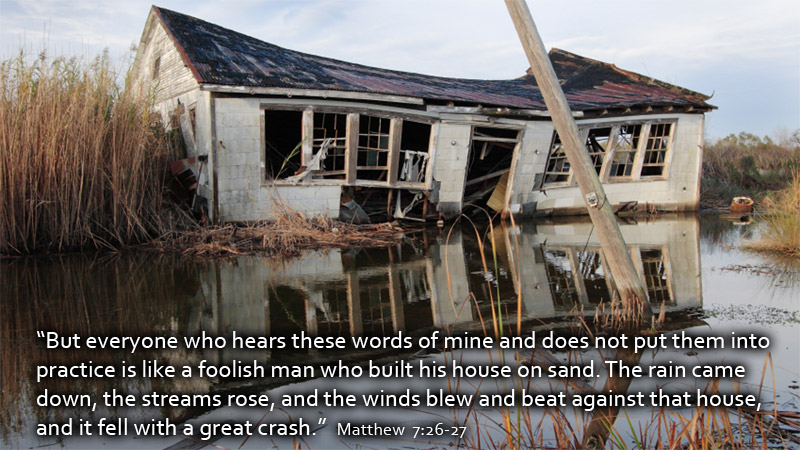 I’ve been working on a bible commentary for almost three years now, and it is a wonderful journey for me to consider scripture in its totality and cohesion. The Lord also laid it on my heart to extend into the non-canonical and to explore that body of literature which sits alongside the Holy Scriptures, adding both colour and context - which literature was actually crucial in shaping the spirituality of 2nd Temple Judaism as well as in influencing Jesus and the Apostles.
At the centre of this ‘useful’ literature is the Book of Enoch. 1 Enoch is quoted, or clearly alluded to, in the New Testament over 70 times, and as my commentary work is demonstrating over and over again, the book is fully aligned with the spirit and direction of scripture.
Working on 1 Enoch 63, the theme of this article, in fact brought to mind so many parallels with our contemporary situation, certainly in the Western World, but I believe also in the global scene. Why is this so?
The kings in 1 Enoch 63 lament, but they do so too late, their power fades, and influence cannot buy their escape. Contrast this to modern leaders, Labour and Conservative alike, who have all too often spoken with certainty while authority lasts. However, like those kings, they trust institutions, strategy, and legacy to shield them from consequence. Only afterward comes the realisation that titles do not equal righteousness.
Enoch’s warning is not partisan: leadership without humility ages badly. And when power departs, truth speaks louder than applause ever did.
An anguished confession
1 Enoch 62 confronted the kings and the mighty rulers of the earth, who had oppressed God’s children, with the unveiled glory of the Son of Man, delivering them for punishment. 1 Enoch 63 reveals what follows that encounter: lament, regret, and the irreversible recognition of lost opportunity. This is a profoundly tragic chapter. The rulers of the earth finally understand the truth, but it’s too late for them to alter their fate.
Here, Enoch records the anguished confession of those who once wielded power without righteousness. Their lament is not merely sorrow over punishment; it is the realisation that they misjudged reality itself. Wealth, authority, and violence proved useless in the presence of divine justice. The righteous whom they despised now stand secure, while they face judgment without appeal.
Repentance delayed can readily harden into regret.
Repentance delayed can readily harden into regret. Scripture distinguishes between teshuvah (turning back) and despairing remorse that arrives after the door has closed. Apocalyptic literature frequently portrays the wicked acknowledging God’s justice only after resistance becomes impossible. 1 Enoch 63 stands as one of the clearest expressions of that sobering truth.
This chapter answers a haunting question: What do the powerful say when they finally realise they were wrong? Enoch’s answer is chilling; they confess the truth without any hope of reversal.
Truth Without Transformation
Scripture records similar moments of regret: Pharaoh’s repeated confessions provide an earlier pattern: I have sinned this time. (Exodus 9:27). Augustine later echoed biblical lament, with the poetic, “Too late I loved you, O Beauty so ancient and so new.”
Recognition does not always produce redemption.
In this chapter, Enoch hears the kings and mighty declare various truths. They recognise the Son of Man’s authority. They admit to injustice and oppression and acknowledge that their wealth and power have failed. They express their sorrow over lost opportunity, and state their aware that judgment is final.
The language is confessional yet hopeless. The kings do not argue against justice; they affirm it. Their tragedy lies in delayed humility.
“Godly grief produces repentance that leads to salvation… worldly grief produces death.” (2 Corinthians 7:10) But the kings’ confession lacks repentance. 1 Enoch 63 illustrates worldly grief in stark terms.
Hebrew Word Studies: Lament, Regret, and Finality
a. Lamentation (Kinah – קִינָה): Kinah is a formal expression of grief, often used in funeral songs. “Teach us a lamentation.” (Jeremiah 9:17) The kings lament their own spiritual death.
b. Regret/Remorse (Charatah - חֲרָטָה): Unlike repentance, this word reflects sorrow without turning. “Esau sought repentance with tears.” (Hebrews 12:17) Regret cannot undo hardened choices.
c. Iniquity/Vanity (Aven - אָוֶן): This denotes emptiness and moral ruin. “I saw the wicked buried.” (Ecclesiastes 8:10) Their power is revealed as vain.
d. To Decree/Determine (Chatak - חָתַךְ): Judgment here is fixed. “A decree is issued.” (Daniel 9:26) Finality replaces opportunity.
Echoes of Jesus’ warnings: The Finality of Judgment
In various parables, Jesus warned of this moment: “There will be weeping and gnashing of teeth.” (Matthew 13:42) He warns of a time when it will be too late to repent – a time which followed opportunities to change. Even some who claimed to know Him would find that they had not followed Him: “Lord, Lord, did we not…?” (Matthew 7:22-23) Knowledge of truth does not replace obedience.
Knowledge of truth does not replace obedience.
Revelation echoes Enoch’s lament: “They called to the mountains… ‘Hide us’.” (Revelation 6:16) Confession without repentance leads to despair.
Another echo comes from the end of Judas’ life, where in Matthew 27:3-5 Jesus’ betrayer confessed, “I have sinned by betraying innocent blood,” returned the money to the priests, and subsequently hanged himself in despair, failing to find true repentance.
Choose Repentance Before Regret
Anyone can be in that number that puts off repentance, and choosing a life of following Jesus. But this text illustrates how power, in particular, delays self-examination: Privilege in all its forms can blind conscience.
There is a significant window of opportunity for all people to recognise their sin, and turn to Jesus. But there comes a point when the recognition of truth comes too late , and comes alongside condemnation. Awareness, in itself, does not equal salvation. Repentance is therefore time-sensitive – Opportunity does not last forever.
Therefore, the key message for all is humble yourself now: Faith bows willingly before judgment arrives.
the key message for all is humble yourself now
Teshuvah (repentance) must be practised daily, not postponed. Enoch 63 underscores that wisdom with sobering urgency.
Conclusion
1 Enoch 63 is one of the most haunting chapters in apocalyptic literature. The kings speak truth, but truth without hope. Their lament confirms God’s justice and their own failure. What they once denied, they now proclaim. What they once abused, they now envy.
This chapter is not written to condemn alone; it is written to warn. It urges every reader to choose humility before the throne is revealed, repentance before judgment is sealed, and faithfulness before regret replaces opportunity. As Scripture declares: “Today, if you hear his voice, do not harden your hearts.” (Hebrews 3:15) Enoch’s vision presses that warning upon every generation, with clarity, gravity, and mercy.
Image from heartlight.org
Nick Thompson, 12/02/2026