Walking The Way of Light
Spiritual engagement amidst the rural beauty of North-East England pilgrimage
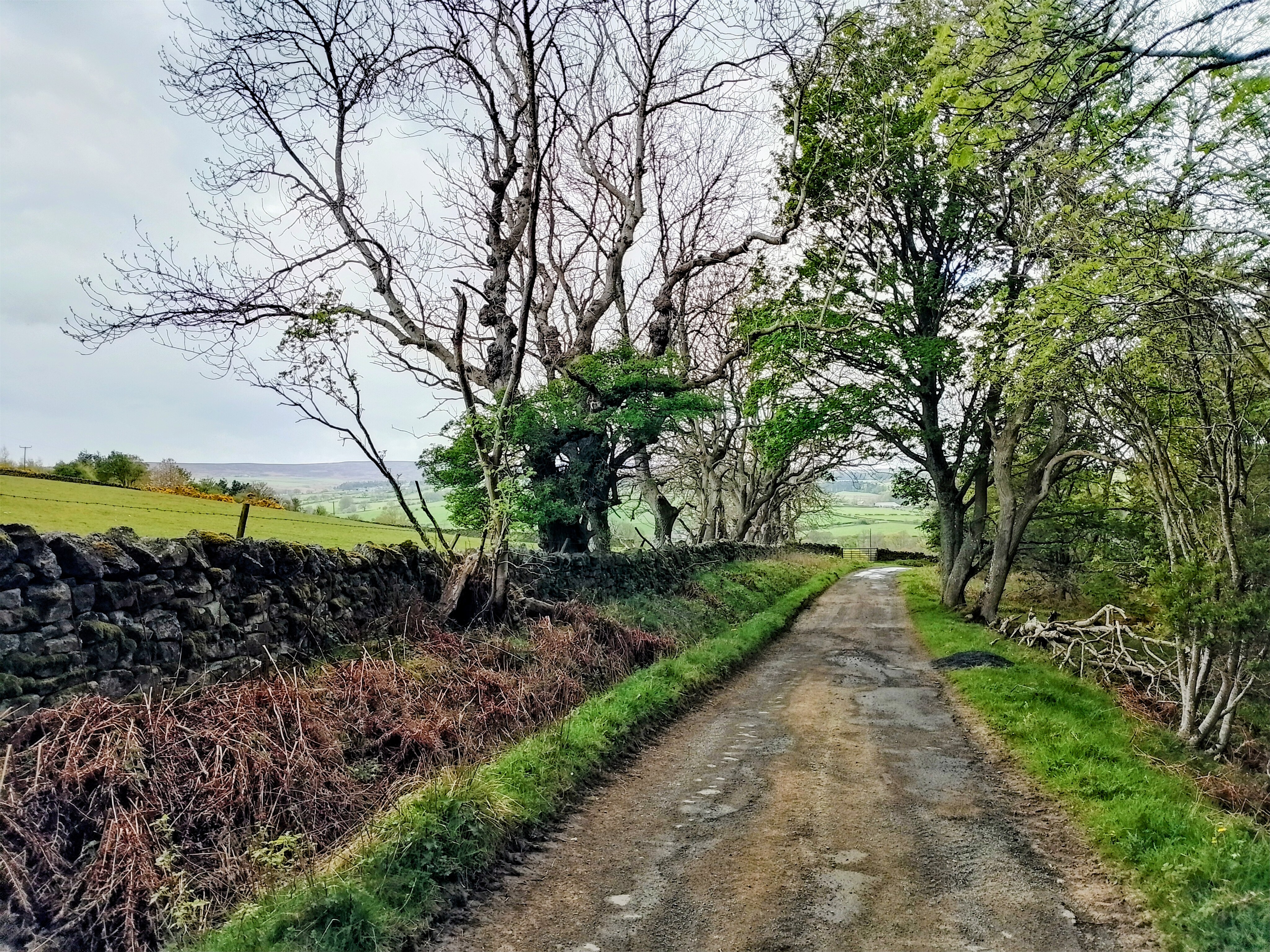 Those who were curious enough to watch the recent fascinating BBC series Pilgrimage: The Road to Holy Island will know that it featured a number of waymarked pilgrimage routes which criss-cross the northeast of England, celebrating and contemplating the work of the early Celtic ‘Northern Saints’.
The TV series included people of various faiths and none, as they discovered the spiritual heritage of this region, whilst also exploring their own spirituality. Being the BBC, the Christian focus was disappointingly rather light touch, yet all of the participants seemed to find it very helpful exploring what they believed and experienced. One who called herself atheist at the beginning moved to a point where she no longer felt that she was, rather moving to a place of not knowing. Strong friendships were built, even across religious divides.
Heavenfield
One of the routes featured, albeit the most briefly, was The Way of Light, which connects the dramatic and consequential Durham Cathedral with Heavenfield, near Hadrian’s Wall. And that tranquil Northumberland location was where, a number of weeks ago, in the latter half of April, I began my own little pilgrimage to Durham, some 45 miles away, with friends joining me for part of the journey.
This moment is seen as a turning point in making Christianity widespread in England.
Heavenfield was long believed to be the site of an ancient battle between St Oswald – who had recently come to claim the throne of Northumbria after a childhood in exile on the island of Iona following the death of his father – and the pagan king Penda of Mercia. Oswald, a Christian, prayed and raised a cross, which he exhorted his men to pray around, pleading God for divine mercy in the battle to come. 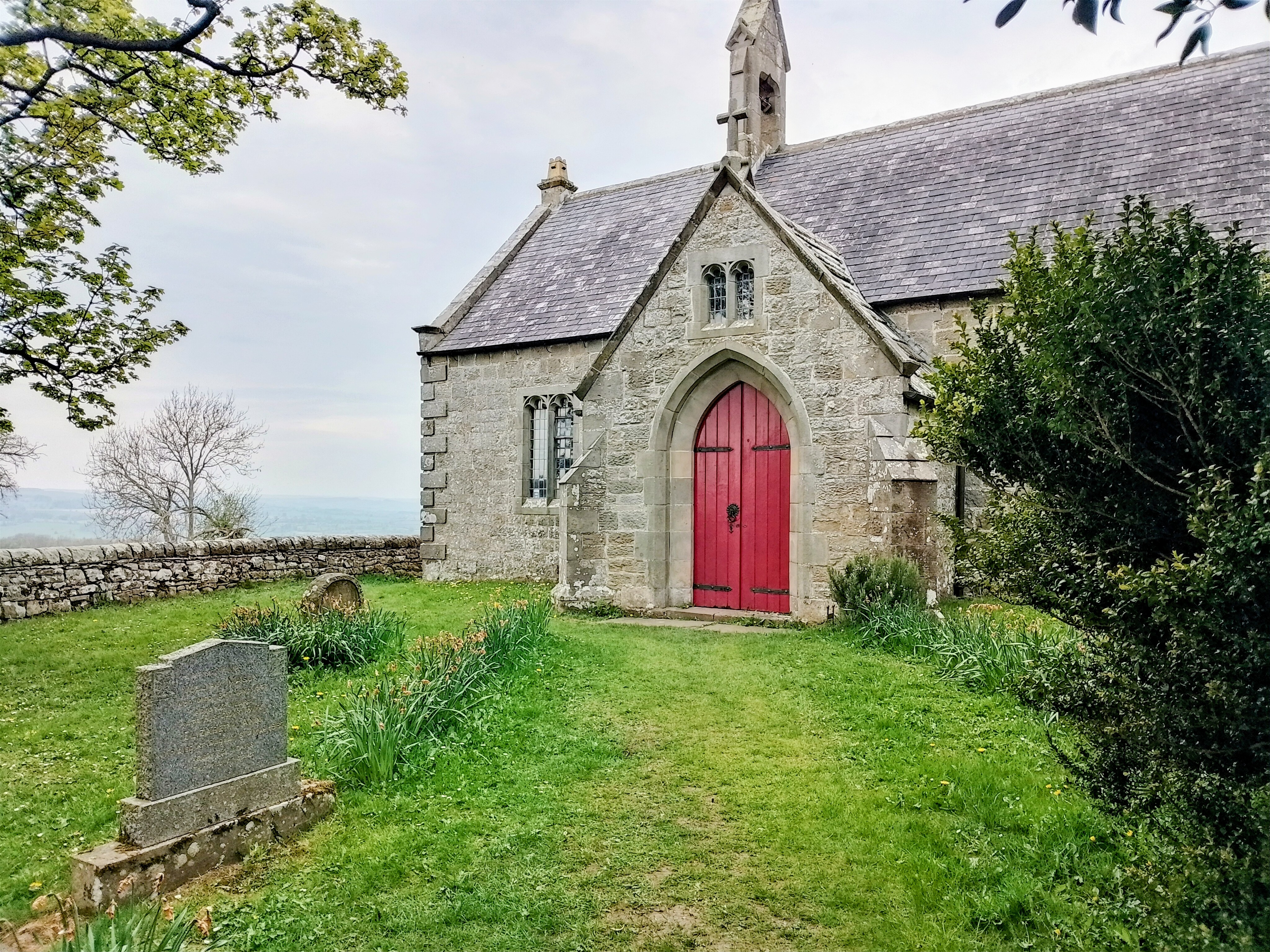
It was seen as miraculous that they managed to defeat the larger army, following which King Oswald sent to Iona for St Aidan and a team to evangelise the kingdom, whom he supported in their mission with all the resources and protection that he could give them. This moment is seen as a turning point in making Christianity widespread in England.
Rich in history
The small church on the site was open for perusal and reflection when I visited, a church building that was founded soon after the above-noted battle, though historical research now suggests the battle actually took place a couple of miles away. From there, we walked pleasantly downhill to the thriving market town of Hexham, famed for its ancient abbey, founded in AD 674, and expanded in medieval times.
Over subsequent days, I found it eye-opening just how many churches, abbeys and priories were founded in such a short time following the arrival of Aidan and his missionary monks, a few of which lay on the early stages of my pilgrimage route, others just a short distance away. These seemingly indefatigable monks established themselves at the island of Lindisfarne, but used this centre, known as Holy Island, as a base, for prayer and the education of some locals. From there, they would travel around the whole region, teaching about Christ and converting many people.
I found it eye-opening just how many churches, abbeys and priories were founded in such a short time following the arrival of Aidan and his missionary monks.
On our walk, as we traversed often quite inhospitable terrain (though mostly in good, pleasant spring weather), we frequently found little places that had churches with Anglo-Saxon or medieval origins. In fact, the whole walk gave a vast sweep of northeastern Christian history, with even stories arising of the significance of John Wesley’s preaching a millennium later.
Saints of old
But it really was astonishing learning just how quickly Christianity spread in the times of Aidan and Cuthbert. What was it that allowed such transformation, such spiritual revival? Certainly, these missionaries were known for indefatigable itinerant preaching and teaching, walking miles on foot (Aidan famously gave away the horse the king had given him to a poor man who, he felt, needed it more.)
The monks were known for their care for the poor, as well as for miracles. They were involved in education – of poor and rich alike – as boys would come to Holy Island for instruction. Women were also encouraged to play their part, most famously St Hild, founder and abbess of the mixed monastic community at Whitby.
The reason for their massive impact was because Christ, and the gospel, were their passion, and their purpose for life.
I think that, in many ways, the reason for their massive impact was because Christ, and the gospel, were their passion, and their purpose for life. Like the early disciples, they often went from place to place, relying on both others’ hospitality and God’s supernatural provision.
Witness to God’s nature
Of course, our walk wasn’t all about visiting churches and ruins, though there was definitely some of that. As well as celebrating the spiritual light brought by the northern saints, the name of this pilgrimage, The Way of Light, was chosen because of the spaciousness and wide expansive views it afforded across the moors and hills throughout the walk’s duration. 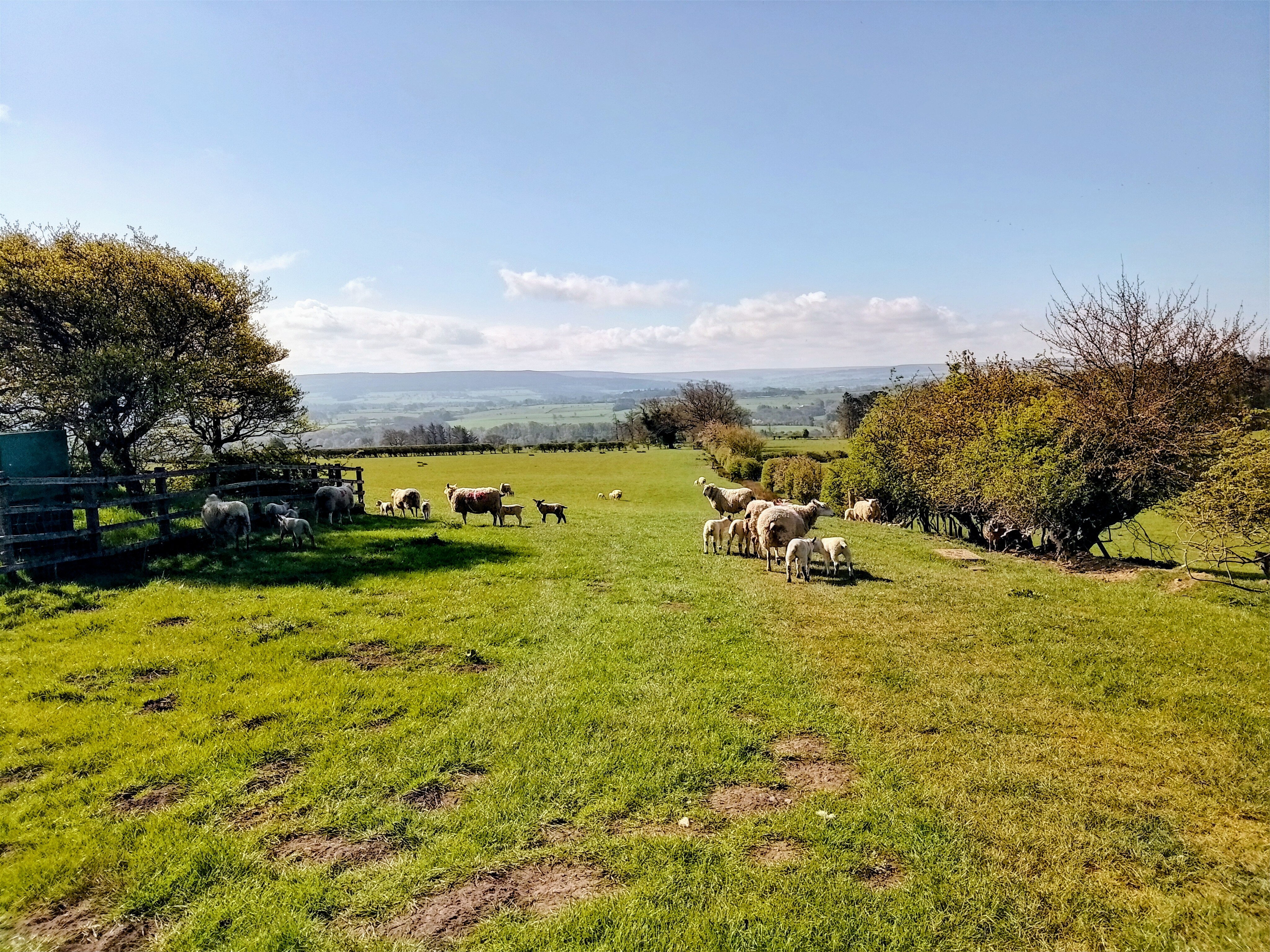
The views and vistas just kept on appearing. The pilgrimage provided us an opportunity to step away from the bustle of life – work, traffic noise, and, at the moment, the noisy road repairs directly outside my house! I needed to return home each evening as I have caring responsibilities, which meant that for me, the whole adventure was actually very busy. And yet each day was filled with time to gaze at God’s awesome creation, overflowing with new spring life – whether the curlews and snipe in the moorland, or the lambs, calves and foals in the farmlands.
Return to reality
This was my second pilgrimage – the first last summer was the more well known St Cuthbert’s Way, stretching from Melrose to Holy Island – and despite doing sections of each on my own, the highlight has often been the people I’ve met on the way. I’ve had opportunity to marvel at how, when people act – even to a tiny degree – in the way God created us to, even the smallest things can make a positive difference in others’ lives. From good hospitality – whether a lunch or a lift provided by a friend – to companionship on the way; from the effort put into opening up of paths to allow access, to the opening of churches to pause and rest a while – such acts of kindness and thoughtfulness were a real blessing to me, ultimately serving as a testimony to the goodness of God.
When people act – even to a tiny degree – in the way God created us to, even the smallest things can make a positive difference in others’ lives.
Yet as I was compelled to return to the ‘real world’, I was given a stark reminder of the broken nature of society, and just how far we need to go in re-evangelising our nation. I was due to get the train home from Durham, before being picked up from my (relatively) local station. But I discovered that there were problems on the line after my change at Newcastle. The trains were running to serious delays: someone had stolen the copper wire from the traditional signal box at Blaydon station, meaning that the signals couldn’t operate properly.
Alignment to our Creator
Trains had to be held at stations before and beyond, as only one train could be allowed through in either direction for a long stretch of line. One person’s selfish action, in an attempt to make a little bit of money selling the stolen copper wire, led to adversely affecting thousands of fellow travellers who were delayed and forced to make alternative plans.
This nation sorely needs Christ, just as it did back in the Anglo-Saxon period.
This nation sorely needs Christ, just as it did back in the Anglo-Saxon period. It needs Jesus to change hearts, to transform people so they can begin to live in ways our Lord created us to live – in harmony with Him, with nature, and with each other.