Living in the Vine 12
It’s all about the fruit
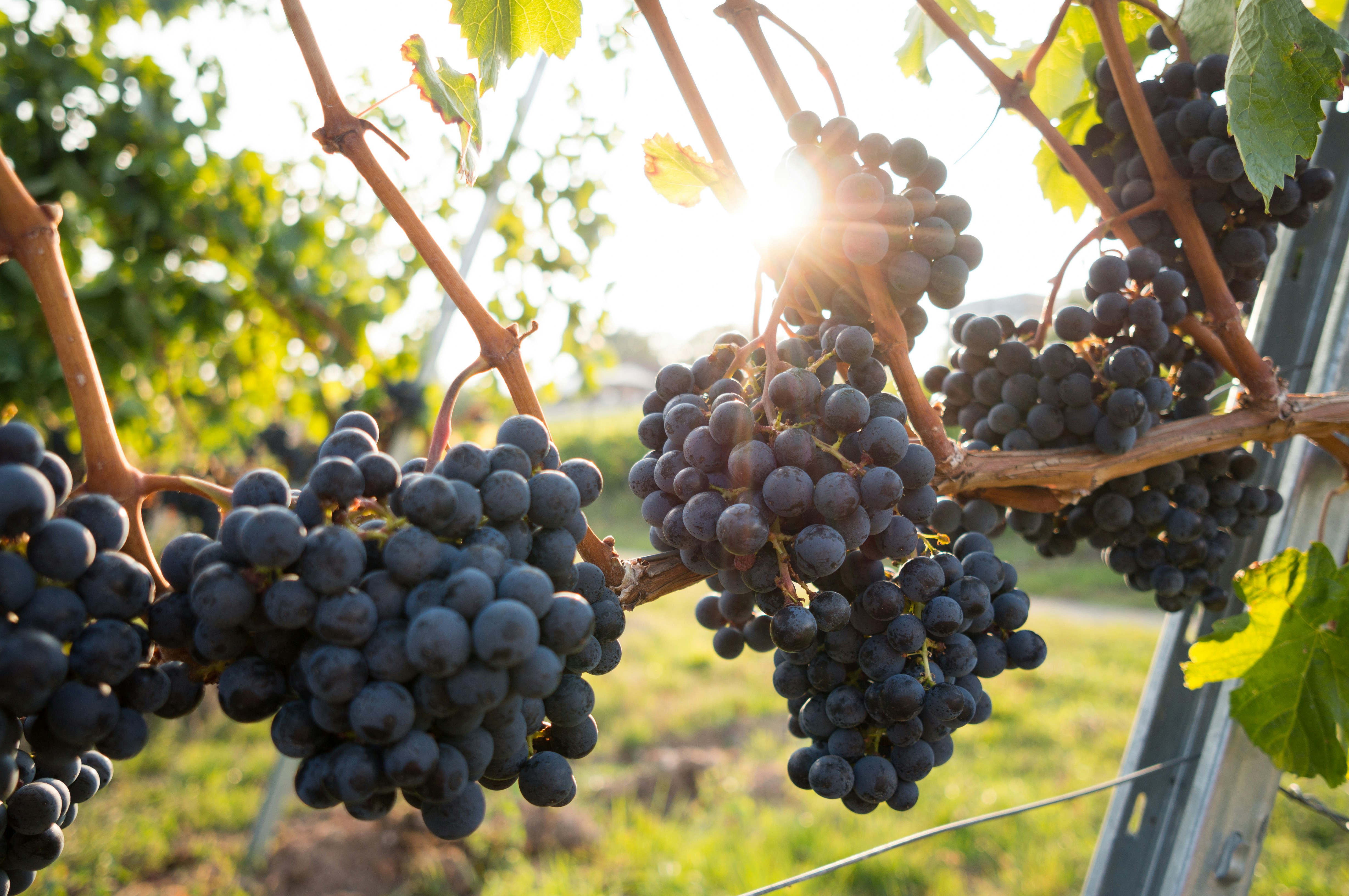 John 15:6-8; Matthew 7:16-20; Luke 14:25-35; Ezekiel 15:1-6.
As a vegetable grower, I know there is no greater satisfaction than being able to enjoy choice fruit – in whatever quantity it comes – from a plant one has nurtured since it was a seed. Be it carrots, tomatoes, cabbages, strawberries or anything else, everything is enjoyed and savoured as a rich reward. For only the gardener knows how hard both the plant and the grower has had to fight against the numerous pitfalls that lie between the seed tray and the table: the weather is always too dry, too wet, too hot or too cold; and there are slugs, rabbits, rats, mice, sawfly and cabbage-white butterflies all vying to consume the fruit, or indeed the whole plant, for themselves! So, good fruit that has survived all the hardships of the cultivation process is very precious indeed.
Surely no one intentionally grows fruit or veg without expecting some form of crop as the end product? This is certainly Jesus’ expectation for us, His disciples. Yet it frequently only comes with hard work. In many expressions of church today, it is so easy to make an emotional response to the message. But Jesus is clear, though there are blessings, there is always a cost to being a true fruit-bearing disciple.
The language used throughout the parable of the Vine is that of the type of covenant relationship we might recognise from the traditional wedding ceremony, such as “if you abide in Me, then I will abide in you” (v.4). It cost Jesus everything to shed His own blood so that we might be partakers in this new covenant relationship. Because a covenant is mutual and reciprocal, we cannot deny that in order to produce the fruit ordained for each of us to bear, then we too are expected to pay some form of cost – a fact that is often left out of many modern invitations to follow Jesus.
To be a disciple is to seriously consecrate ourselves inwardly to Him in such a way that being obedient to His word, His will and His ways become our top priority over and above anyone or anything else. The cost might not be our life-blood (although it could well be in the future, as it is elsewhere in the world), it is more likely to be in terms of losing friendships, family or livelihood. This can be very painful and confusing for those on the receiving end and it is often at this point of being faced with hard choices that people retreat back into familiar relationships, situations and patterns of behaviour.
The treatment Jesus describes in verse 6, of withered branches being thrown into the fire, seems very harsh. But we must understand from Ezekiel 15:1-6 that the wood of the vine has no usefulness beyond its ability to be a branch and bear fruit. So, if a person chooses to not remain ‘abiding’, in relationship with the Vine, their relationship, as part of the Vine, will dry up. Cut off from the source of the Vine they are unable to bear fruit and will wither.
Additional reading: Luke 9:23-24; 9:57-62; Matthew 7:24-27.
Prayer time
Take time to thoughtfully consider today’s challenge. Sacrifice isn’t something our flesh readily seeks out or responds willingly to.
To surrender our lives to Jesus in this way has to come from the overflow of His work in us – it is one of the fruits of our life in the Vine and His in us; it comes from our heartfelt response to the depths of His love.
-
Are you willing to lay yourself down on the altar of His love?
-
What is the cost likely to be to you?
-
Are you willing to pay it?
-
What’s the state of your love relationship with God? Have you allowed it to grow cold in any way?
-
Do you need to repent of that?
Sit quietly with Him and listen for His voice. Do whatever He tells you to do.
Sarah Winbow
To see previous installments of this devotional, follow this link.
Image by David Kohler on unsplash.com
Sarah Winbow, 08/10/2026